Why Your Chula Vista Bedrooms Stay Hot During Summer Heatwaves
South Bay heat hits differently. During a Chula Vista heatwave, many bedrooms along Eastlake Parkway, Otay Ranch, and Terra Nova stay several degrees warmer than hallways and living rooms. Thermostats sit at 74, yet second-floor rooms read 78 to 82 by late afternoon. Windows are shut. Blinds are closed. The HVAC runs hard. The real culprit sits above the ceiling. An attic that leaks air, carries old or compacted insulation, and has rodent traffic acts like a giant heat battery over the bedrooms. Fixing that condition takes integrated attic clean up and rat proofing, plus targeted air sealing and insulation work calibrated to San Diego’s codes and microclimate.
Chula Vista properties in the 91910 through 91915 zip codes share a common pattern. South and west-facing roof slopes bake all day. Attic temperatures surge, and heat flows down into the bedrooms through every light can, top plate, and hatch. If roof rats have been active, the contamination pushes airborne particles into the same pathways that move heat. The result is hotter rooms, more dust, and a musty odor whenever the system starts. Addressing heat without addressing contamination and rodent entry points leaves owners stuck in the same loop next summer.
What the Attic Does During a Chula Vista Heatwave
Attic air runs far hotter than outside. Inland South Bay attics often sit at 120 to 130 degrees by late afternoon. That heat migrates wherever air can move. Recessed lighting cans, bathroom fan housings, plumbing stacks, and electrical penetrations act like open vents. This is the HVAC return air pathway in real life. The return at the hallway draws negative pressure across the ceiling plane. Air rushes from the attic into the house through tiny cracks. Heat tags along with insulation dust and any residue the attic holds.
If insulation sits below R-38, which is California Title 24’s baseline for attics, the ceiling loses its protective layer right when the sun hits its peak. Many South Bay homes still have R-19 fiberglass batts laid between joists, or an older blown mix settled to 4 to 6 inches. Compaction drops R-value. A rodent run compresses insulation even more. Thermal imaging during inspections in Chula Vista often shows clear striping above bedrooms where batts pulled away from joists or pathways open around light cans.
Why Rodent Activity Makes Bedroom Heat Worse
San Diego County is a roof rat market. Roof rat, or Rattus rattus, dominates because the Mediterranean climate lets them breed year-round. Food and cover are abundant thanks to fruit trees, palm fronds, bougainvillea, and ivy. Spanish and clay tile roofs create ridges and channels that let rats move and hide. This is not a downtown-only issue. It runs across Chula Vista neighborhoods near Telegraph Canyon Road, East H Street, and up toward Bonita.
Rodents push insulation aside to move. That opens channels where heat flows freely. Their urine and droppings also change how an attic smells and how air behaves. At 120 to 130 degrees, urine compounds vaporize more easily. That odor follows the same leakage paths that carry heat down into bedrooms. Families then run HVAC longer to mask the smell and cool the heat, which draws more attic air through the leaks. Without attic clean up and rat proofing, the cycle continues every summer.
Air Leakage Paths Above the Bedrooms
Bedrooms sit under Swiss cheese ceilings in many homes. Every hole for a light, wire, or pipe becomes a chimney. The stack effect, which is the natural movement of air from low to high inside a home, pulls air upward in winter. In summer, HVAC suction at the return pulls air downward from the attic. Leaky penetrations magnify that pull by 3 to 5 times when the system is running.
Contractors see the same repeat offenders in Chula Vista attics. Recessed lighting cans, especially older unsealed styles, leak from their trim rings and housings. Top plates, the horizontal studs at the tops of bedroom walls, have gaps where wires cross. Plumbing penetrations around vent stacks open gaps the size of a finger. The attic hatch often sits without a gasket or insulation. Each one seems small. Together they equal a vent. An integrated correction seals these gaps, reinsulates the attic to R-38 or R-49, and stops the contamination at its source with attic clean up and rat proofing.
What Insulation Condition Looks Like in South Bay Homes
Attic insulation in South Bay homes ranges from new blown-in cellulose to fiberglass batts dating back to the 1990s or earlier. Old fiberglass batts sag between joists and lose contact with the ceiling. Rodent runs flatten the lofted fibers. Moisture and dust settle on the fibers and reduce their ability to trap air, which is what creates R-value. In many Chula Vista inspections, technicians measure only 6 to 8 inches of mixed insulation in bedrooms that need 12 to 14 inches to achieve R-38 to R-49.
When a roof rat path crosses a ceiling joist, it compresses insulation and creates a thermal bridge. An infrared scan shows that path as a warm stripe during a heatwave. If the attic also holds old cellulose layered with droppings, the dust load increases. The HVAC then moves faint contamination into bedrooms each time it cycles. Replacing insulation without cleaning first locks contamination in place. Cleaning without entry point sealing invites a repeat. That is why attic clean up and rat proofing work hand in hand on heat problems that involve rodents.
Specific Chula Vista Clues Owners Notice
Homeowners describe a short list of patterns before they call. The patterns tend to cluster during late July through September when inland highs spike and humidity creeps in from the bay and the Sweetwater Reservoir corridor.
- Bedrooms 3 to 6 degrees hotter than hallways from 3 p.m. To 9 p.m. Musty or ammonia-like odor when the HVAC first starts. Scratching or light scurrying sounds at night above the ceiling. Fine dust around recessed lights and bathroom fan grilles. Energy bills that climb year over year with no thermostat change.
Each clue ties back to an attic condition. The odor comes from urine compounds heated past 100 degrees. The dust comes from disturbed insulation and droppings particulate. The temperature divide points toward missing or compacted insulation and leakage around penetrations. A site inspection validates what the family senses and converts it into a clear scope of work.
The Integrated Fix That Actually Cools Bedrooms
Cooling stubborn bedrooms in Chula Vista is rarely a one-item repair. A window AC or an additional return can mask the symptoms but not the source heat and contamination. The fix sets a sequence that protects indoor air and blocks heat pathways:
First, source control. That means attic clean up and rat proofing to remove contamination and stop new intrusion. Second, air sealing the ceiling plane to block the HVAC return pathway from pulling attic air into the bedrooms. Third, insulating to R-38 or R-49 with materials that fit the home’s risk profile. Fourth, addressing duct condition if the attic holds long runs with mastic cracks or rodent chewing. The order matters because skipping steps allows heat and contamination to return through the same openings.
Attic Clean Up That Protects Indoor Air
Cleaning an active or previously active rodent attic is a biohazard task. The process uses an industrial HEPA-filtered vacuum to remove droppings, nesting, and contaminated insulation. A 20-horsepower industrial vacuum connects via hoses that reach deep into eaves and tight bays. Plastic sheeting containment isolates the attic access. Sealed disposal bags prevent re-release of dust on the way out. Sensitive areas near bedrooms get an air scrubber with HEPA filtration to capture fine airborne particles during the work.
After dry removal, sanitization starts. Thermal fogging pushes a hospital-grade EPA-approved disinfectant across rafters, joists, and sheathing. Thermal fog carries a warm vapor that penetrates into cracks where nests can sit. For severe contamination, a ULV cold fogger applies an antimicrobial fogging agent in a fine droplet size. Both methods target bacteria in rodent residue and neutralize urine pheromone trails that draw animals back. The chemistry is safe for structural wood, and crews ventilate the attic before re-entry to living spaces.
Cost ranges in San Diego County reflect the scope. Most quotes begin with a free attic inspection. Entry-level cleanup and spot sanitization specials often range from 75 to 300 dollars. Standard decontamination and sanitization runs from 400 to 1,200 dollars. Cleanup plus insulation removal can range from 800 to 2,500 dollars. A full attic restoration, which pairs removal, sanitization, rodent proofing, air sealing, and insulation install, typically falls between 3,500 and 7,000 dollars depending on attic size and complexity.
Rodent Proofing That Holds Through South Bay Seasons
Rodent proofing closes the doors that let rats and mice re-enter. Technicians track entry points across rooflines, eave gaps, soffit and gable vents, foundation cracks, and utility penetrations. Clay and Spanish tile roofs common in Chula Vista create elevated pressure points. Roof rats scale bougainvillea or palm skirts, travel the ridge, and slip under tile. Gable vents with thin screens tear easily. Plumbing and electrical penetrations around the garage and water heater closet leave dime to quarter-size holes.
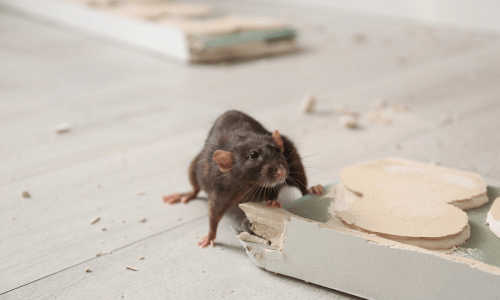
Permanent exclusion uses the correct gauge and placement. Quarter-inch galvanized hardware cloth, which is a chew-resistant wire mesh, covers eave and gable vents. Steel wool packing with weather-resistant sealant fills smaller penetrations at conduit, gas lines, and hose bibs. Heavy-duty garage door bottom seals close daylight gaps that allow easy access. Any foam used is limited to non-load-bearing gaps and only after a chew-proof base is installed. A thorough attic clean up and rat proofing project documents each location with photos so owners see what changed.
Stand-alone rodent proofing in San Diego County generally ranges from 600 to 2,500 dollars. Prices depend on entry point count and the complexity of the roofline. Properties near open space or canyon edges, like segments of Bonita and the Otay Lakes basin, often carry more entry points. Sealing them once with the right materials and technique is more cost-effective than cycling through traps and baits that never touch the structure.
Air Sealing Bedrooms to Stop the HVAC Return Pathway
Air sealing closes the unintended vents above the bedrooms. Crews seal top plates along interior and exterior walls with foam and mastic rated for attic use. They cap wiring penetrations and plumbing stacks with fire-safe sealants. Recessed lighting cans receive airtight trim kits or sealed covers rated to the fixture type. The attic hatch gets weatherstripping and an insulated cover so it stops acting like an open window to the attic. Together these moves reduce attic-to-bedroom airflow by a large margin during cooling cycles.
In practice, air sealing works best right after cleaning and exclusion. The surfaces are clear, and the crew can spot subtle holes. Once sealed, new insulation locks the air barrier in place. For many Chula Vista homes, this sequence drops bedroom temperatures 2 to 5 degrees during peak hours without changing the thermostat. It also reduces dust in the air returns and cuts system run time.
Insulation That Meets or Beats Title 24
California Title 24 calls for at least R-38 in attics in this region. R-49 delivers extra cushion on late afternoons in heatwave conditions. Several material choices fit the South Bay profile, and each has trade-offs:
TAP Insulation is a borate-treated blown-in cellulose. Borates deter many insects and add fire resistance. TAP carries strong acoustic damping and fills irregular cavities well, which helps cover the patchwork often left by old batts. For attics that experienced rodent traffic, TAP’s density and coverage create a uniform blanket after sanitization.
Owens Corning, Knauf, CertainTeed, and Johns Manville offer fiberglass options in batts and blown forms. Blown fiberglass can reach R-38 to R-49 with stable loft. Batts are faster in open areas but can leave seams if framing is irregular. GreenFiber cellulose is another cellulose option with good coverage, similar to TAP but without the same pest-resistant marketing claims.
Rockwool mineral wool provides a premium tier. It resists moisture, does not burn, and maintains R-value at high temperatures. For attics with complex mechanicals or where sound control is also a goal, mineral wool delivers benefit but at higher material cost. Icynene spray foam, a closed or open cell foam, creates an air and thermal barrier in one step. Spray foam is best considered when the attic will be moved inside the thermal envelope, which requires a separate code approach and ventilation plan.
In Chula Vista, most bedroom heat issues resolve with cleaned and sanitized surfaces, an airtight ceiling plane, and R-38 to R-49 blown insulation. Owners who rely on whole house fans will notice improved performance after air sealing and insulation because the fan pulls heat out of the attic more efficiently when airflow inside the attic is directed through vents rather than ceiling gaps.
Why This Matters for Indoor Air, Not Just Comfort
Attic conditions affect indoor air every time the system runs. The HVAC return air pathway, which is the unintended set of gaps that connect attic and living space, delivers heat and particles to bedrooms during peak loads. EPA literature flags rodent contamination as a source of indoor air quality risk, including bacteria and allergens associated with droppings and urine. Under heat stress, those residues release compounds more readily. That is why crews focus on cleaning, sanitization, and urine pheromone trail neutralization before insulating.
There is a second link. Insulation contaminated with rodent residue can store odors. If new insulation goes in without removal and sanitization, odor can persist. Families then overcool rooms to mask it, which increases negative pressure and deepens the draw from the attic. Breaking that loop takes disciplined removal with an industrial HEPA-filtered vacuum, followed by targeted fogging and documented dry times before new materials go in.
A Shareable Reality About San Diego Attics
San Diego County has one of the highest roof rat pressure levels on the West Coast due to its year-round mild Mediterranean climate, the density of citrus and palm trees, and the prevalence of Spanish and clay tile roof architecture. In practice, that means most attic contamination cleanup jobs across the county, including Chula Vista, are roof rat jobs rather than house mouse or Norway rat cases. Add the inland summer attic temperature reality, where spaces in Mira Mesa, Scripps Ranch, El Cajon, and Escondido often exceed 130 degrees, and the chemistry in a dirty attic changes. Heat accelerates breakdown of residues and increases their volatility. The same acceleration occurs during Chula Vista heat spikes. That blend of pressure and heat makes integrated attic clean up and rat proofing a structural need, not just a seasonal service.
Chula Vista Case Snapshots That Mirror Real Homes
Near Eastlake Greens, a two-story home had bedrooms reading 81 in late August with a thermostat set at 75. The attic held sagging batts and light mouse activity that turned out to be roof rats. Thermal imaging showed warm lines across every bedroom ceiling where batts had pulled away. The crew completed attic clean up and rat proofing with quarter-inch galvanized hardware cloth on gable vents and steel wool with sealant at conduit holes. They sealed top plates and recessed cans, then blew in TAP Insulation to R-49. Bedroom temperatures dropped to 76 during the same outdoor conditions. The homeowner also noted the start-up odor disappeared after sanitization.
West of I-805 near Terra Nova Drive, a single-story ranch had loud night scurries and a musty odor. The HVAC return was in a hallway under an unsealed attic hatch. The attic hatch leaked like an open window. Crews removed urine-soaked attic clean up service fiberglass, sanitized with thermal fogging, sealed the hatch with weatherstripping and an insulated cover, and installed blown fiberglass from Owens Corning to R-38. They added a new garage door bottom seal and hardware cloth screens at two eave vents. The home cooled more evenly, and the owners reduced run time by over an hour per afternoon.
In Rancho Del Rey, a homeowner close to the Sweetwater Reservoir corridor had repeated pest control visits with bait but no structural repairs. Rats kept returning. The inspection documented four roofline entries under clay tile and torn gable vent screens. The project focused on roof rat exclusion with hardware cloth, closure at tile-to-fascia gaps, and sealing of plumbing penetrations with steel wool and weather-resistant sealant. Only after exclusion did the team proceed with attic clean up, ULV cold fogging for heavier contamination, and R-38 cellulose from GreenFiber. The rodent activity ceased, and bedroom temps stabilized by 3 to 4 degrees during afternoon peaks.
How This Connects Across the County
The same physics repeats from Chula Vista to the 92101 through 92130 corridor, and up into North County zip codes like 92024 Encinitas, 92008 Carlsbad, and 92054 Oceanside. Coastal homes near Coronado and Pacific Beach face marine-layer humidity that elevates mold risk. That condition demands more ventilation checks and sometimes mold remediation on attic sheathing. Urban core homes in North Park, Mission Hills, and Kensington often hide original cellulose or even vermiculite in pre-1990 builds that require asbestos-era handling. Inland homes along Interstate 15 from Mira Mesa through Rancho Bernardo and Escondido carry the highest attic temperatures and greater insulation degradation. The microclimates change, but the integrated approach holds.
AtticGuard operates from 510 Corporate Drive Suite F in Escondido 92029 with dispatch across San Diego County. That base near Highway 78 and Interstate 15 allows quick coverage into South Bay via Interstate 805 and Interstate 5. Crews document every inspection with photos so families can see exactly what sits above the ceiling. That transparency matters when quotes range from a few hundred dollars to multi-thousand-dollar restorations. The inspection clarifies which steps are needed and which can wait.
Materials and Methods That Stand Up to Use
Hardware cloth matters. Quarter-inch galvanized hardware cloth is the chew-proof gauge standard for vent and soffit protection. Anything lighter collapses or tears. At smaller penetrations, steel wool combined with weather-resistant sealant blocks gnaw-through and survives the South Bay heat. At the ceiling plane, mastic and fire-safe foam sealants hold their seal during the thermal swings an attic sees in July and August.
For insulation, the brand matters less than correct depth, even coverage, and prep. Owens Corning and Knauf deliver consistent results in blown fiberglass. CertainTeed and Johns Manville offer comparable materials. With cellulose, TAP and GreenFiber fill odd cavities better than batts. Rockwool is worth the cost where moisture or sound concerns exist. Icynene spray foam delivers high performance when a homeowner intends to condition the attic or create a semi-conditioned space, but it requires design changes that go beyond a typical heat-mitigation project.
Pricing Benchmarks So Owners Can Plan
San Diego County owners ask for straight ranges so they can judge value. Integrated projects sit on a spectrum:
- Free attic inspection with photo documentation and a written quote before any work. Attic clean up and sanitization: 400 to 1,200 dollars for standard decontamination. Small specials as low as 75 to 300 dollars for light cleanup. Insulation removal plus cleanup: 800 to 2,500 dollars depending on attic size and contamination. Stand-alone rodent proofing: 600 to 2,500 dollars based on entry point count and roof complexity. Full restoration including air sealing and R-38 to R-49 insulation: 3,500 to 7,000 dollars for most single-family homes.
Homes with pre-1990 vermiculite need special handling and testing protocols that can add cost. Homes with extensive duct repairs or replacements may add a parallel duct scope. A clear quote separates each line so owners can decide whether to stage work or complete it together.
Why AtticGuard Aligns the Work to Chula Vista Conditions
Crews who work the full county read the microclimates in their pricing, materials, and sequence. In Chula Vista, the inland heat spikes, the common use of clay or Spanish tile, and the roof rat dominance point the project toward early and thorough rodent exclusion and ceiling-plane air sealing. Without those, new insulation falls short. With them, bedrooms cool and the HVAC works less for the same comfort level.
AtticGuard coordinates everything under one roof. The team manages attic clean up and rat proofing, sanitization, air sealing, and insulation in a single plan. That saves homeowners from juggling multiple vendors who often point at each other when results come up short. It also keeps the documentation consistent so warranty terms are simple to apply.
What Owners Can Expect on Site
On the first visit, technicians walk the exterior for rodent pathways, check roofline terminations, and inspect gable and soffit vents. Inside, they measure insulation depth, document rodent droppings, note urine-stained insulation, and mark air leakage around recessed lighting and top plates. Photography captures the starting point. If contamination is present, the crew outlines the cleanup method, including HEPA extraction, containment at the access, and the selected sanitization chemistry such as thermal fogging or ULV cold fogging.
The rodent exclusion plan itemizes hardware cloth installations, steel wool and sealant points, garage door seal upgrades, and any specialty screen reinforcements for dryer or bathroom exhaust vents. Air sealing steps list each category of penetration so the homeowner knows the ceiling plane will get closed methodically. The insulation line specifies the brand and target R-value. TAP Insulation, Owens Corning, Knauf, CertainTeed, GreenFiber, Rockwool, or Icynene options appear depending on the home’s specific needs.
For Homeowners Weighing Quotes
Many Chula Vista homeowners get three quotes that vary widely. Price swings usually track to scope. One quote might skip sanitization or propose blowing new attic junk removal insulation onto contaminated material. Another might list rodent proofing but omit air sealing. A third might include cleaning and sealing but propose only R-30. The right scope lines up with the problems observed in the attic. If the bedrooms run hot and there are droppings and light-can leaks, then attic clean up and rat proofing, air sealing, and R-38 to R-49 insulation belong in the scope. If the home shows no rodent activity, skip exclusion and put budget into sealing and insulation depth.
If a home sits in a 1960s or older neighborhood like parts of National City or older pockets near Broadway, the team checks for vermiculite. If present, they follow asbestos-era protocols, which can involve testing and special handling. This is not a place to cut corners. Families spend one-third of their day in bedrooms. That air should be clean, and the rooms should hold temp without constant system strain.
Local Coverage and Coordination Across San Diego County
AtticGuard’s shop in Escondido 92029 supplies direct routes to South Bay via Interstate 15 to Interstate 805, or down Interstate 5 when coastal. Same-day or next-day estimates are common across Chula Vista, Bonita, and National City. The team also covers La Jolla 92037, Pacific Beach 92109, Downtown 92101, Mira Mesa 92126, Carmel Valley 92130, Poway 92064, San Marcos 92078, Vista 92083 to 92084, and Oceanside 92054 to 92058. That county-wide footprint gives context on what material and exclusion details last across different roof styles and microclimates.
For homeowners who commute past the San Diego Zoo Safari Park in Escondido or along Highway 78 to Carlsbad, the same crews handle North County heat issues where attics can run even hotter than South Bay. The methods and materials stay consistent. Only the entry point patterns and ventilation details change from coast to inland.
Ready for Bedrooms That Hold Temp During Heatwaves
Chula Vista bedrooms run hot because the attic above them leaks air, holds heat, and too often carries rodent disruptions that open channels and add contamination. The permanent fix is a coordinated plan: attic clean up and rat proofing to remove and stop the source, air sealing to close the HVAC return pathway, and insulation to at least R-38 under California Title 24, with R-49 as the high-efficiency upgrade. The result is cooler rooms, cleaner indoor air, and lighter system loads when the next South Bay heatwave rolls through.
Homeowners ready to solve this for good can schedule a free attic inspection with AtticGuard. Crews based at 510 Corporate Drive Suite F, Escondido 92029, dispatch across San Diego County daily, including Chula Vista 91910 to 91915. The inspection includes documentation photos and a written quote before any work begins. Projects blend attic clean up and rat proofing, sanitization with hospital-grade EPA-approved disinfectants, air sealing of top plates, recessed lighting, plumbing stacks, and hatches, and insulation installation with TAP, Owens Corning, Knauf, CertainTeed, GreenFiber, Rockwool, or Icynene depending on the home. Rodent entry points carry a lifetime warranty on sealed locations. As a CSLB-licensed contractor, CSLB #1138505, the team coordinates the full scope so owners do not have to manage multiple vendors. Same-day estimates are available in most neighborhoods from Eastlake to Otay Ranch and west to Broadway. Book the inspection, see the photos, and choose the plan that ends the heat spike in your bedrooms.
Attic Guard | Escondido Office
Business Name: Attic Guard
Address: 510 Corporate Dr # F, Escondido, CA 92029, United States
Primary Phone: +1 858-400-0670
Direct Line: +1 858-786-0331
Website: atticguardca.com/escondido
Connect With Us & Read Reviews
Yelp Reviews Facebook Instagram